
The Illusion of Glamour
The glimmering lights, opulent décor, and high-stakes atmosphere are often what first attract people to casinos, creating a façade of glamour. From the moment one steps through the entrance, they are greeted with a world that seems both enchanting and extravagant. The carefully designed settings create an illusion, making visitors feel like they are part of an elite society where fortunes can be won in an instant, similar to australian online casino instant payout experiences. However, beneath this glittery surface lies a more complex reality that contradicts the glamorous image many associate with gambling establishments.
In reality, the beauty and allure of a casino often mask the inherent risks and the darker sides of gambling. The high-energy environment can serve as a trap for individuals who might be lured into the thrill of winning, only to face significant losses. The culinary delights, sumptuous furnishings, and entertainment options can distract from the fact that many guests leave with empty pockets, a reality that isn’t often portrayed in glamorous marketing campaigns. Thus, the glitzy exterior often serves as a clever disguise for the sobering aspects of gambling.
The glamorous perception may also overshadow the emotional toll that gambling can take on individuals and their families. While the thrill of winning a large jackpot can be euphoric, the law of averages often means more losses than wins. This can lead to a cycle of despair for individuals struggling with addiction. As such, while casinos initially present an image of high society, they can also be environments rife with personal turmoil and hidden consequences.
The Realities of Casino Life
Casinos are not merely places of entertainment; they are businesses that thrive on the psychology of their patrons. The layout, colors, and sounds are meticulously crafted to encourage prolonged play, often to the detriment of the players. The absence of windows and clocks can disorient guests, leading them to lose track of time as they chase elusive winnings. This manipulation of the environment plays a significant role in how glamour is experienced and perpetuated within the casino industry.
The staff working behind the scenes often experience a far different reality than the glamorous image presented to guests. Casino employees frequently work long hours, and their roles can be demanding and stressful. From dealers to waitstaff, the labor required to maintain the luxurious atmosphere is significant. This can often result in burnout and low morale, revealing that the glitz enjoyed by patrons might come at the cost of those who make it possible. This dichotomy between guest experience and employee satisfaction highlights a critical aspect of casino life that is frequently overlooked.
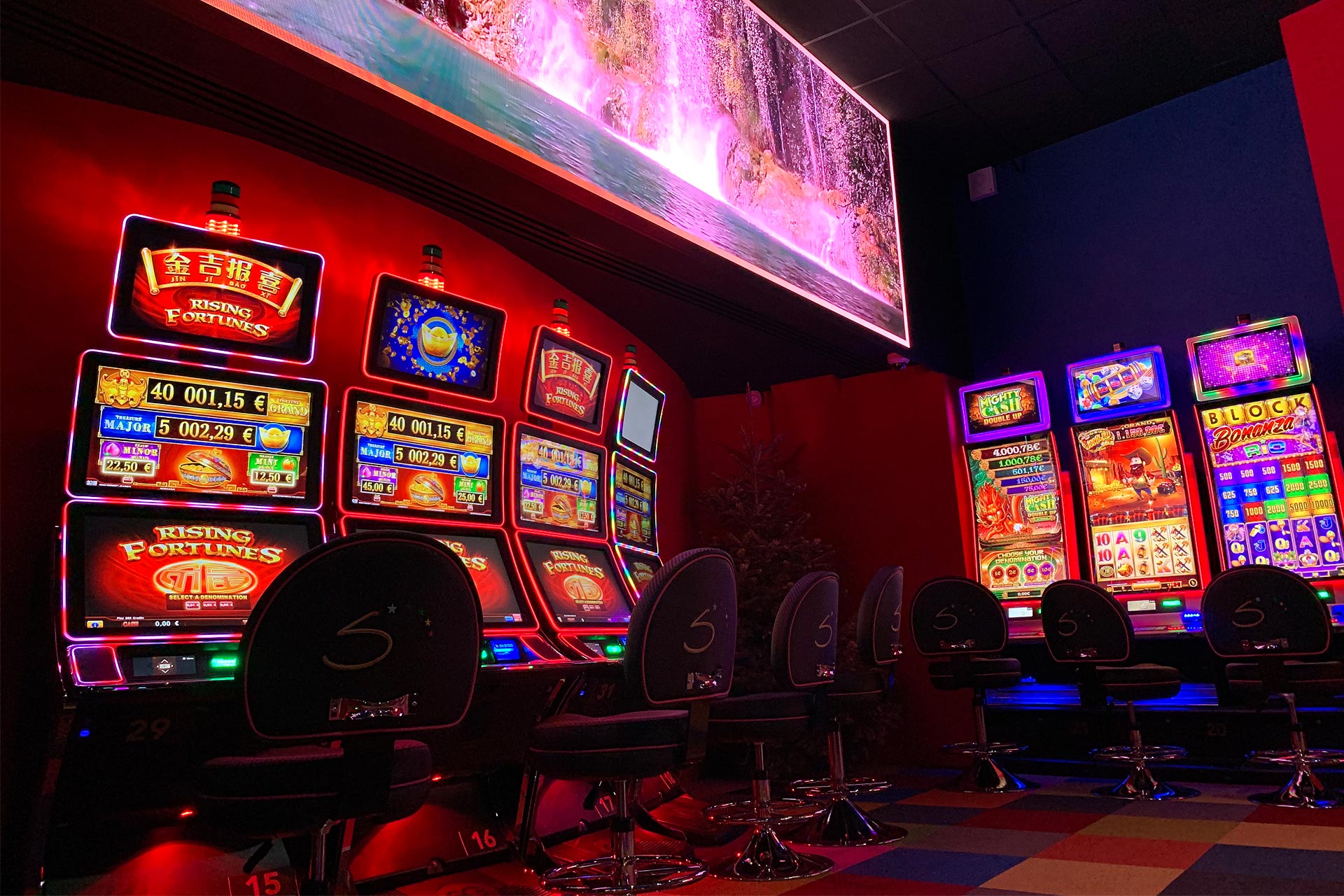
Furthermore, the prevalence of gambling addiction among patrons showcases a sobering contrast to the glamorous portrayal of casinos. While some may view casinos as venues for fun and excitement, many individuals find themselves ensnared in harmful patterns of behavior. The consequences of such addiction can be devastating, impacting not just the individual but their loved ones as well. Ultimately, the contrast between the opulent image of casinos and the realities faced by gamblers underscores the complexity of the gambling experience.
The Consequences of Gambling Culture
The gambling culture fostered by casinos extends beyond just the physical environment. It often promotes a lifestyle that celebrates risk-taking as a form of entertainment, which can have lasting effects on individuals and communities. This culture can draw in those seeking a rush, with the glittering promises of wealth and status sometimes overshadowing personal responsibilities and moral considerations. As such, the lure of casinos can cultivate environments where unhealthy behaviors thrive.
Moreover, the glamorization of gambling in popular media, from films to television shows, tends to romanticize the idea of winning big while overlooking the struggles that many gamblers face. The excitement of high-stakes games is showcased to attract audiences, but the negative repercussions of gambling addiction are seldom addressed. This media portrayal can contribute to a skewed perception of reality, making it crucial for individuals to critically evaluate the narratives presented to them.
The psychological implications of frequenting a casino can lead to a cycle of hope and despair for many. This constant fluctuation between winning and losing can maintain a grip on individuals, further entrenching them in gambling habits. The allure of the glamorous casino life can lead to serious financial, emotional, and mental health issues, emphasizing the need for a more nuanced understanding of what it truly means to engage with these establishments.
The Economic Impact of Casinos
Casinos undoubtedly generate substantial revenue for local economies, but this often comes with both positive and negative ramifications. On one hand, the financial influx from tourism, job creation, and increased local business activity can be seen as a boon. Many communities have utilized the tax revenues from casinos to improve infrastructure, education, and public services, thus highlighting a tangible economic benefit that aligns with the glamorous image of wealth and prosperity.

Conversely, the presence of casinos can lead to social issues that may diminish the initial glamour associated with them. Increased gambling activities may correlate with a rise in financial instability, crime, and substance abuse within communities. This duality raises questions about who truly benefits from the glamour of casinos and at what cost. Therefore, while the sleek exterior of casinos can evoke images of success, the underlying problems they may bring forth can undermine that very glamour.
Additionally, the potential for economic downturns tied to reliance on gambling revenues poses a significant risk. In times of financial strain, communities that depend heavily on casinos may face challenges that place them in precarious positions. This economic volatility further complicates the image of glamorous casinos, illustrating that they are often entwined with broader societal issues that challenge the aesthetic appeal they project.
Final Thoughts on Glamour and Reality
In conclusion, the perception of casinos as glamorous establishments is both captivating and complex. While they undoubtedly offer a high-energy atmosphere adorned with the trappings of luxury, this façade often conceals a multitude of underlying issues. From the effects of gambling addiction to the pressures faced by employees, the shimmering lights can cast long shadows that are not easily visible to the casual observer. Understanding this dichotomy allows for a more informed perspective on what casinos represent.
It is essential for individuals to approach casinos with a critical mindset, recognizing that the glamour is part of a carefully curated experience designed to attract visitors. While for some, casinos can be a source of entertainment and excitement, for others, they may lead down a path of heartache and financial ruin. Therefore, a balanced understanding of both the allure and the risks associated with casino culture is vital for making informed choices.
By exploring these various dimensions of casino life, we can better understand the interplay between glamour and reality. The conversation around casinos should not solely focus on the allure of winning but should also include the realities that many face, ensuring that individuals can navigate these spaces with greater awareness and insight.
